Valentine's Day marketing ideas for small businesses
Valentine's Day marketing ideas for a small business: pre-orders, booking the quiet days around the 14th, and the message to send your members.
On this page
- What Valentine’s Day is worth to a local business
- Valentine’s Day ideas at a glance
- Valentine’s Day marketing ideas for January
- 1. Choose your dates, then tell people
- 2. Open pre-orders and bookings with a hard deadline
- 3. Give the card its own look for February
- Ideas for the run-up
- 4. Sell the gift, not the discount
- 5. Fill the days around the 14th, not the 14th itself
- 6. Write for friends, family, and coworkers
- 7. Send the last-order reminder by text
- Ideas for the day and after
- 8. Sign up the people who come in for the first time
- 9. Follow up in the week after
- What to leave out
- Where Passumo fits
- Frequently asked questions
- Where to go next
The Valentine’s Day marketing ideas that work for a small business are mostly about timing, not romance. Take orders and bookings early, spread the demand across the days around the 14th instead of piling it onto one night, and send one clear message to the customers who already know you. None of that needs a couples discount.
In 2027, Valentine’s Day falls on a Sunday. That changes the plan for a lot of shops: the busy evening may be Saturday the 13th, and many independent shops close or run short-staffed on Sundays.
Below are nine ideas for cafes, restaurants, bakeries, salons, and gift shops, in the order you need them, with the channel each belongs on and sample wording.
Key takeaways
- Decide your Valentine’s dates in early January. With the 14th on a Sunday, the weekend before it and the days after it are where most of the opportunity sits.
- Pre-orders and bookings with a hard deadline usually beat a promotion. They move demand forward and tell you how much to make.
- Send your members one useful message, early, by email. Save push and SMS for the reminder and the last call.
- Valentine’s is not only for couples. Friends, family, and coworkers are all on people’s gift lists, so write for them too.
- The people who come in on the day for the first time are the real prize. Ask them to join before they leave.
What Valentine’s Day is worth to a local business
Valentine’s Day is a gift and an outing, and both suit a small business. The National Retail Federation surveyed 7,791 US adults with Prosper Insights & Analytics from January 2 to 8, 2026.
It found that 56% of US consumers planned to buy candy, 41% flowers, 41% greeting cards, and 39% an evening out (NRF, “Valentine’s Day spending expected to reach new records”, January 27, 2026). Those are the shelves and the tables of a bakery, a florist, a gift shop, and a restaurant.
The same survey is a reminder that the holiday is wider than couples. A third of consumers (33%) planned gifts for friends, 21% for coworkers, and 58% for family members other than a partner.
A box of pastries for the office or a card for a friend is a Valentine’s sale too. It is a US survey, so treat the exact shares as a direction for a UK shop, not a forecast.
Valentine’s Day ideas at a glance
| When | Idea | Channel |
|---|---|---|
| Early January | Choose your Valentine’s dates and publish them | Email, Google, the door |
| Early January | Open pre-orders and bookings with a deadline | Email, then push |
| Mid January | Give the card its own seasonal look | The wallet card |
| Late January | Sell the gift, not the discount | Email, the counter |
| The week before | Fill the days around the 14th | Push |
| The week before | Write for friends, family, and coworkers | Email, social |
| Two days before your deadline | The last-order reminder | SMS |
| On the day | Sign up the first-time visitors | The counter |
| The week after | Follow up while they remember you | Email, push |
Valentine’s Day marketing ideas for January
1. Choose your dates, then tell people
With the 14th on a Sunday, decide early which days you are treating as Valentine’s. For restaurants, a strong Valentine’s Day idea is often a set menu on Friday the 12th and Saturday the 13th, with bookings for Sunday lunch.
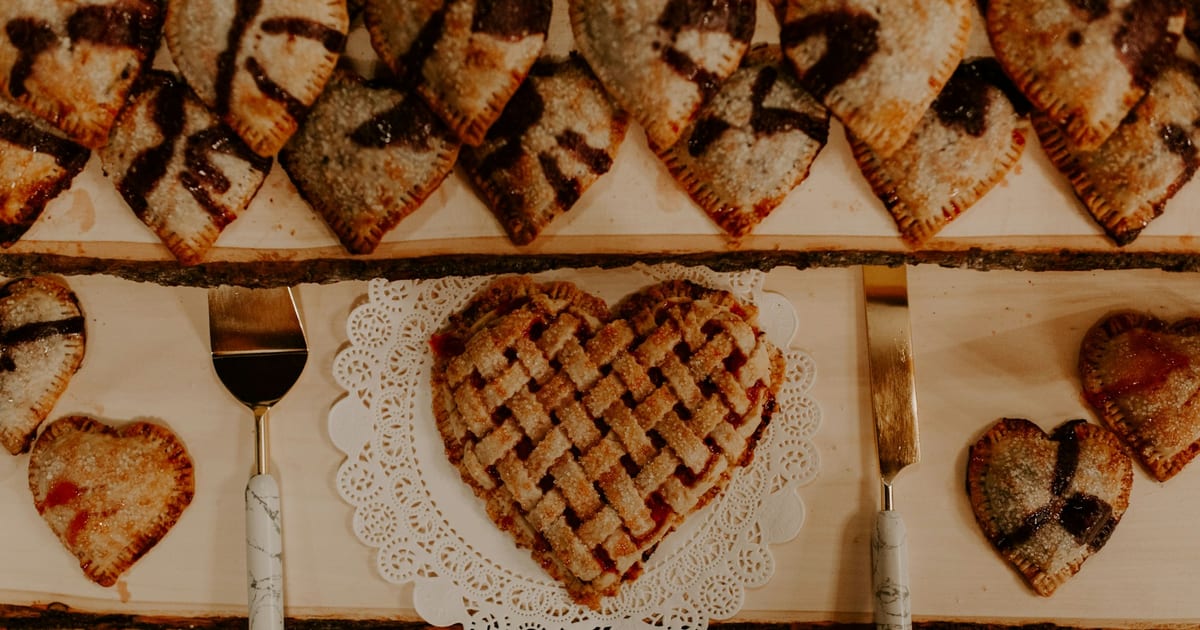
A bakery might take pickup slots from Thursday to Saturday. A salon might fill the Friday and Saturday before with appointments for people getting ready to go out.
Then publish the plan in one place your regulars will read. An email in the first week of January does the job: “Valentine’s at the Bell: set menu Friday, February 12, and Saturday, February 13, Sunday lunch as usual.”
Put the same dates on your door and your Google Business Profile. Google lets you set special hours for a holiday without changing your regular ones (Google Business Profile Help, “How to set Special hours”, retrieved November 10, 2026), so add them for the Sunday if they change.
2. Open pre-orders and bookings with a hard deadline
The most useful Valentine’s promotion is usually a deadline. It moves demand forward, it tells you how many tables to staff or cakes to bake, and it protects you from the rush you cannot serve.
“Heart cakes for Valentine’s: order by Wednesday, February 10, pick up Friday to Sunday” is a message somebody can act on. “Now taking Valentine’s orders” is a sign people walk past.
Announce it by email first, with the details, then send a short push a few days before the deadline. Push or email explains why each one gets that job.
If you run a cafe or bakery, note that Pancake Day (Shrove Tuesday, or Mardi Gras in the US) falls on Tuesday, February 9, 2027, the same week. That is two occasions in five days. Plan them together, and mention both in one email rather than sending two.
3. Give the card its own look for February
A loyalty card in a phone’s wallet can change with the season. Swap the banner for something that says February, a tray of heart cookies or your dining room set for two, and every member who opens their wallet sees that something is on. It costs nothing to change, and it changes back the week after.
This is not a promotion on its own. It is the shop window for the members who already carry your card, and it makes the email they receive feel connected to the place.
Ideas for the run-up
4. Sell the gift, not the discount
Valentine’s is one of the few days when people want to spend a little more, not less. A discount on the 14th mostly pays customers who were coming anyway.
Put your effort into things people can buy as a present: a box of six pastries, a cut and blowout voucher, a dinner voucher, a gift card for the shop.
A voucher is a prepaid sale, and it often brings a new customer through the door later. Gift vouchers before Christmas covers how to set them up, and the same rules apply in February.
5. Fill the days around the 14th, not the 14th itself
The peak usually looks after itself. A restaurant that is fully booked on Saturday night does not need a promotion for Saturday night. What it needs is people on the Thursday, the Monday, and the quiet lunch.
So aim your Valentine’s push at the days that will not fill. “Valentine’s week at the Bell: the set menu runs Wednesday to Sunday, and the quieter nights have the better tables” spreads the demand.
For a loyalty program, double stamps on the slow days of Valentine’s week reward the people who come when you need them. The quiet Tuesday problem is the full argument for putting effort where the gaps are.
Salons have the same pattern: the Friday and Saturday before fill early, and the days after are slow. Salon promotion ideas covers filling those days without training clients to wait for an offer.
6. Write for friends, family, and coworkers
Most Valentine’s marketing is written for couples. That leaves out the person buying a box of brownies for the office, the friends booking a table on the 13th, and the parent picking up cookies on the way to school pickup.
Give them a line of their own. A bakery can sell “a box for the office” next to the heart cake. A cafe can run a “bring a friend” morning on the Friday. A gift shop can put cards for friends next to the cards for partners. It widens your audience without a single extra discount.
7. Send the last-order reminder by text
Two days before your deadline is the moment SMS earns its cost. Missing the cake or the table is a real disappointment, and a text is the message most likely to be read in time. Send it only to customers who opted in to texts, starting with the ones who ordered from you last year:
Rise Bakery: Valentine’s orders close Wednesday at 5pm. Pick up Friday to Sunday. Stop by or call the shop to add yours. Reply STOP to opt out.
A text is the most personal channel you have, so keep it to one message for the season. Getting marketing opt-in the right way covers the consent side.
Ideas for the day and after
8. Sign up the people who come in for the first time
Valentine’s brings in people who are not your regulars: the partner who was sent to pick up the order, the couple who found you on a map, the friend who was given your voucher. Most of them leave, and you never hear from them again.
Each one is a first visit. Ask once, at the counter or the table, whether they would like your card on their phone, and point to the QR code by the till. Keep it short on a busy night. What to put next to the till covers making that ask take seconds.
9. Follow up in the week after
The week after Valentine’s is quiet for many restaurants and salons, and it is when your new members decide whether you were a one-off. A welcome message that arrives the next morning, with a reason to come back in the next two weeks, often does more than a Valentine’s offer.
If you run automations, the welcome goes out on its own as soon as somebody joins, and automated loyalty campaigns covers the others worth setting up.
For the regulars, a short thank-you email with nothing to sell is enough. Customer appreciation ideas has more ways to say it without a discount.
What to leave out
A couples-only discount. “Two for one for couples” pays people who would have come anyway, leaves out everyone else, and resets what a Valentine’s meal is worth in your customers’ heads.
A countdown every day. Three or four messages across the whole season, on the right channels, is plenty. Members who hear from you every day stop reading. How often should you message customers covers the limits.
Assuming the 14th is your busy day. With Valentine’s on a Sunday, check which of your days will really fill before you plan around one of them.
Where Passumo fits
Passumo is the part of this that reaches people after they leave. It puts your loyalty card in Apple Wallet or Google Wallet with nothing to download, and lets you change the card’s banner for the season.
It sends push, email, and SMS to members who joined and opted in, now or scheduled for later. Automations such as the welcome and reward reminders run on their own.
Restaurants, bakeries, and salons each have their own page: restaurants, bakeries, and hair salons. The pricing page has the details.
Frequently asked questions
When should a small business start Valentine’s Day marketing? Early January. That gives people time to book and order, and it gets your dates out before the big chains fill the inbox. Draft the email in December so it is ready to send in the first week of January.
What are good Valentine’s Day ideas for restaurants? A set menu across several nights rather than one, bookings with a deposit or a deadline, and a message to members that points them at the quieter nights. Restaurant email marketing covers what to send between visits.
Should I run a Valentine’s Day promotion with a discount? Usually not. Demand on the day is high, so a discount mostly pays people who were coming anyway. If you want an offer, put it on the slow days of Valentine’s week, or make it a reward for members, such as double stamps.
What if my business is closed on Sundays? Then your Valentine’s is Friday the 12th and Saturday the 13th, and you can say so plainly: “Valentine’s is on a Sunday this year, so we are celebrating on Friday and Saturday.”
Where to go next
Valentine’s works best when the year-round program is already running. If you are setting one up, how to start a loyalty program is the place to begin. For the quiet weeks of January before it, read filling the quietest month. Three weeks after Valentine’s comes Mothering Sunday, and Mother’s Day promotions covers that one.
A note on sources: the spending shares come from the NRF and Prosper Insights & Analytics survey of US adults, published January 27, 2026, and checked on November 10, 2026. The special-hours guidance comes from Google Business Profile Help, retrieved the same day. The 2027 dates come from the calendar. The shop names in the sample messages are made up.